+1 859-491-7700 [email protected]
Nutrition and recovery

What you eat shapes how you heal

Nutrition does not override rest. But it provides the raw materials for repair. Understanding the basics of how food and fluid interact with recovery helps clarify why some dietary patterns support the process and others work against it.

Macronutrients

Protein and the repair cycle

Muscle tissue is made of protein. When exercise creates micro-damage in muscle fibers, the body repairs them using amino acids from dietary protein. Without adequate protein intake, this repair process is slower and less complete.

The timing of protein intake in relation to exercise has been studied extensively. While the so-called "anabolic window" immediately after training is often overstated in popular fitness media, total daily protein intake appears to matter more than any single meal's timing. Spreading protein across meals throughout the day supports a sustained availability of amino acids for repair.

Plant proteins and animal proteins both provide essential amino acids, though in different proportions and with different digestibility profiles. Neither is inherently superior for recovery — what matters is that total intake is adequate and varied enough to cover all essential amino acids over the course of the day.

Individual protein needs vary based on body size, training volume, age, and overall health. General population guidelines exist as a starting point, but individual circumstances matter. A registered dietitian can provide guidance tailored to specific needs.

Energy stores

Carbohydrates and glycogen replenishment

Glycogen — the form in which the body stores carbohydrate energy in muscle and liver — is the primary fuel for most moderate-to-high intensity exercise. After sustained effort, glycogen stores are partially or fully depleted. Replenishing them requires consuming carbohydrates.

Low-carbohydrate approaches to eating have become popular in some fitness communities. The effects on recovery depend heavily on training intensity and volume. For lower-intensity activity, the body can rely more heavily on fat oxidation and glycogen replenishment is less critical. For higher-intensity training, insufficient carbohydrate intake can extend recovery time and impair subsequent performance.

Carbohydrate quality also matters over time. Whole food sources — vegetables, fruits, legumes, whole grains — provide fiber, micronutrients, and phytonutrients alongside their carbohydrate content. These additional components contribute to overall health in ways that refined carbohydrates do not.
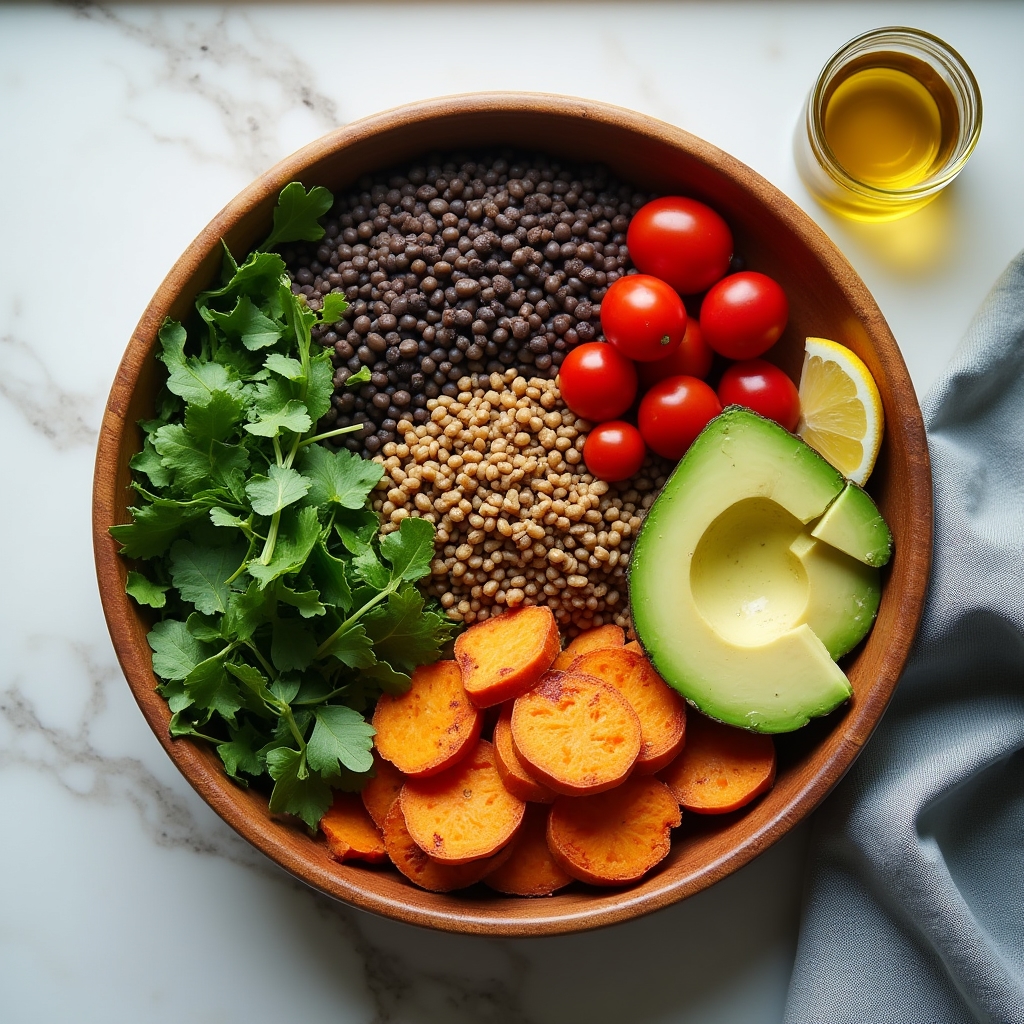
Wooden bowl filled with colorful whole foods including leafy greens, legumes, and grains on a light marble surface, natural window light
Fluid balance

Hydration as a recovery tool

The body is largely composed of water. Blood, lymph, synovial fluid, intracellular fluid — all of these are water-based systems that support delivery of nutrients, removal of waste products, and maintenance of body temperature.

Baseline hydration

Day-to-day water intake shapes baseline recovery capacity. Even mild dehydration can affect energy levels, concentration, and the efficiency of metabolic waste clearance. Monitoring urine color remains a practical if imperfect indicator of hydration status.

Electrolyte balance

Water alone is not sufficient after significant sweat loss. Sodium, potassium, and magnesium lost through sweat need to be replaced alongside fluid. Sports drinks, coconut water, or electrolyte-rich foods can contribute to this. Overhydrating with plain water after heavy sweating can dilute blood sodium to problematic levels.

Timing of fluid intake

Starting exercise well-hydrated is more effective than trying to catch up during or after. Large fluid intake immediately before sleep can disrupt sleep quality through nighttime waking. Spacing fluid intake throughout the day tends to produce more consistent hydration than consuming large amounts at once.

Environmental factors

Heat, humidity, altitude, and air conditioning all affect fluid loss rates. What is adequate hydration in a cool climate may be insufficient in summer heat or at elevation. Adjusting intake based on environmental conditions is a practical part of managing recovery.

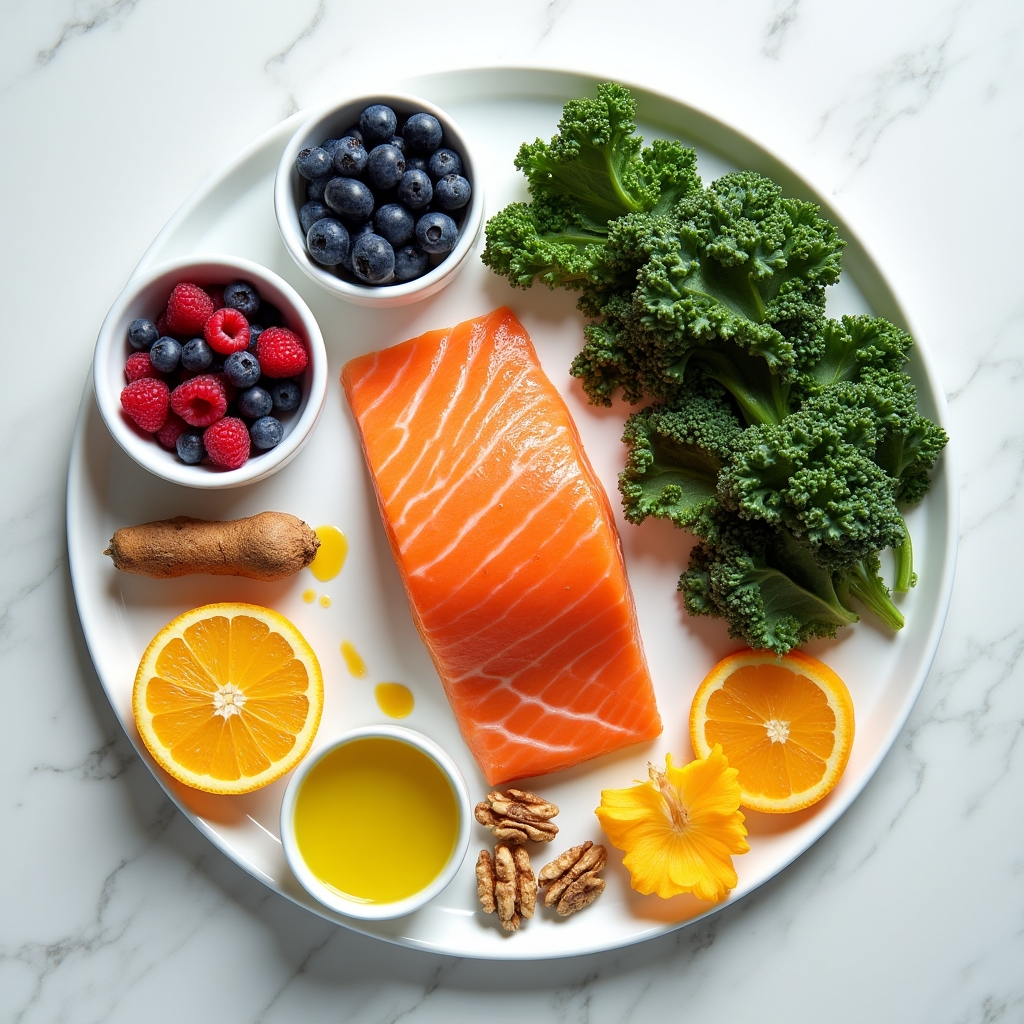
Overhead flat-lay of colorful anti-inflammatory foods including turmeric, berries, olive oil, and dark leafy greens on a white surface, bright even lighting
Inflammation and diet

Food patterns and the inflammatory response

Inflammation is a necessary part of the recovery process. Acute inflammation after exercise initiates the repair cascade that leads to adaptation. The problem arises when inflammation becomes chronic — when it persists at a low level in the background, driven by diet, stress, poor sleep, or other factors.

Certain dietary patterns appear to reduce chronic inflammatory markers. These generally involve higher intake of vegetables, fruits, fatty fish, nuts, and olive oil, with lower intake of ultra-processed foods, refined sugars, and trans fats. This is not a prescription — it is a pattern supported by a meaningful body of research.

Omega-3 fatty acids, found in fatty fish and some plant sources, have received particular attention for their role in resolving inflammation. Polyphenols in berries, dark chocolate, and green tea have been associated with reduced oxidative stress markers. None of these are magic compounds, but together they represent a reasonable direction for dietary choices that support recovery.

Keep reading

Nutrition works alongside movement and rest

These elements do not operate independently. How you move, how you eat, and how you rest form an interconnected system. Understanding each helps clarify the others.